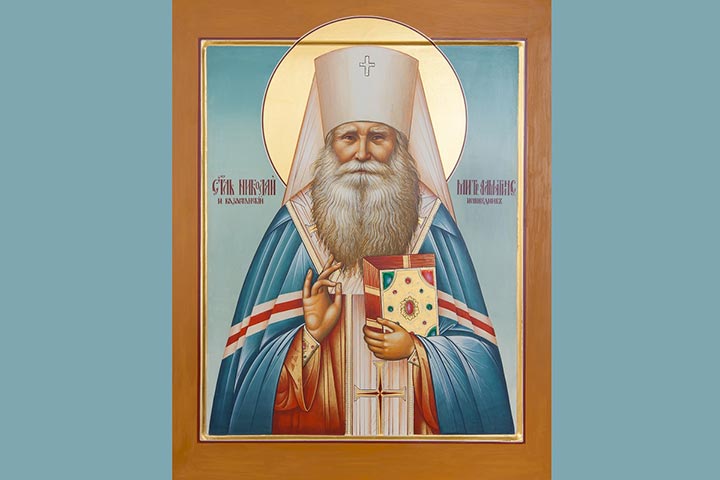
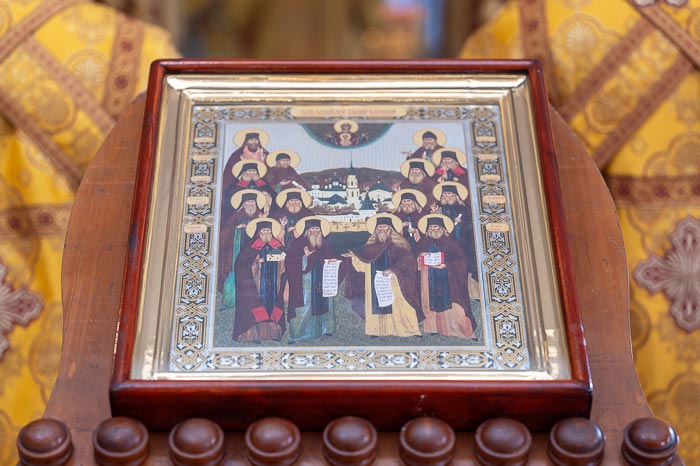
September 8, 2026 – the celebration of the Vladimir and Pskov-Caves “Tender Mercy” Icons of the Mother of God, the commemoration of the Martyrs Adrian and Natalia, and the anniversary of the finding of the relics of St. Nicholas the Confessor, Metropolitan of Alma-Ata – the heavenly patron of Kazakhstan.
On this day in 2000, with the blessing of Archbishop Alexy of Astana and Alma-Ata (now Metropolitan of Tula and Efremov), the precious relics of St. Nicholas (Mogilevsky), Hierarch and Confessor, were uncovered at the city cemetery and transferred to St. Nicholas Cathedral in Alma-Ata, where they remain to this day in the southern side chapel. The cathedral had been returned to the faithful and revived through the labors of Metropolitan Nicholas in 1946.
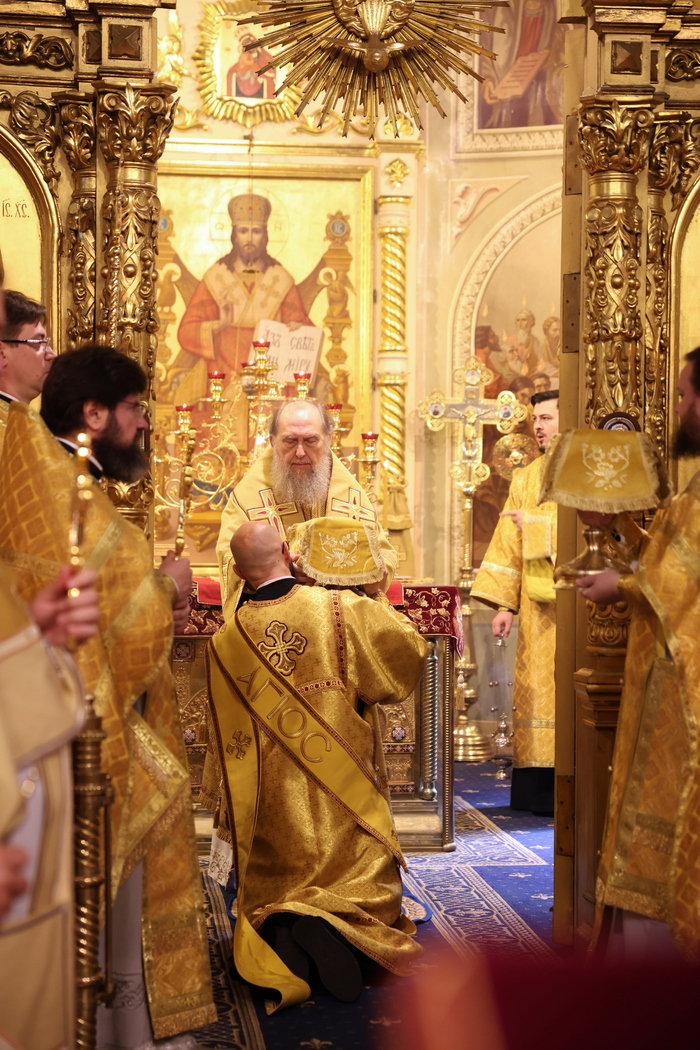
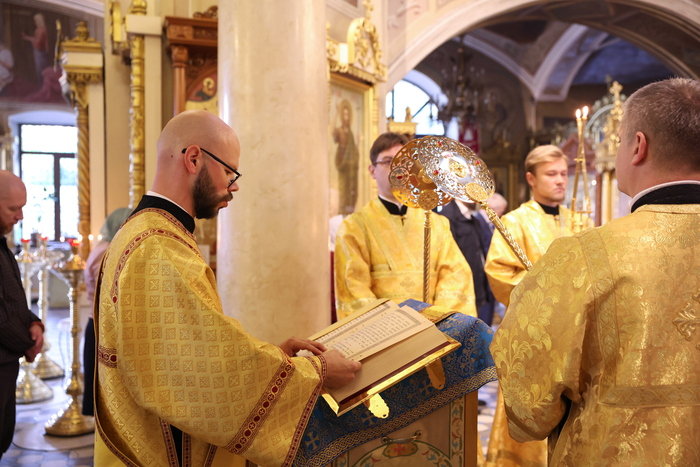
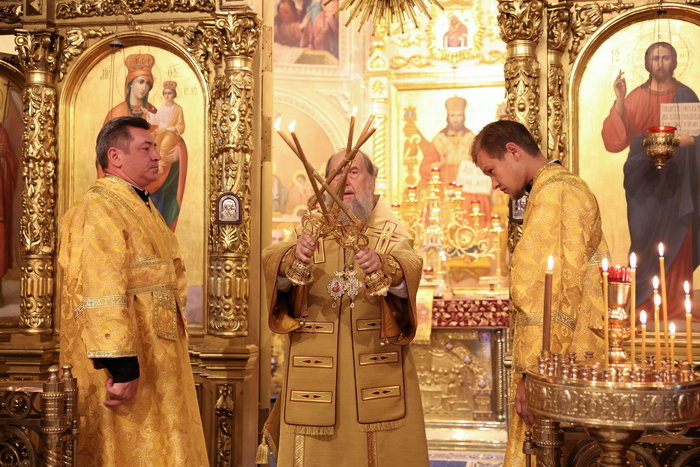
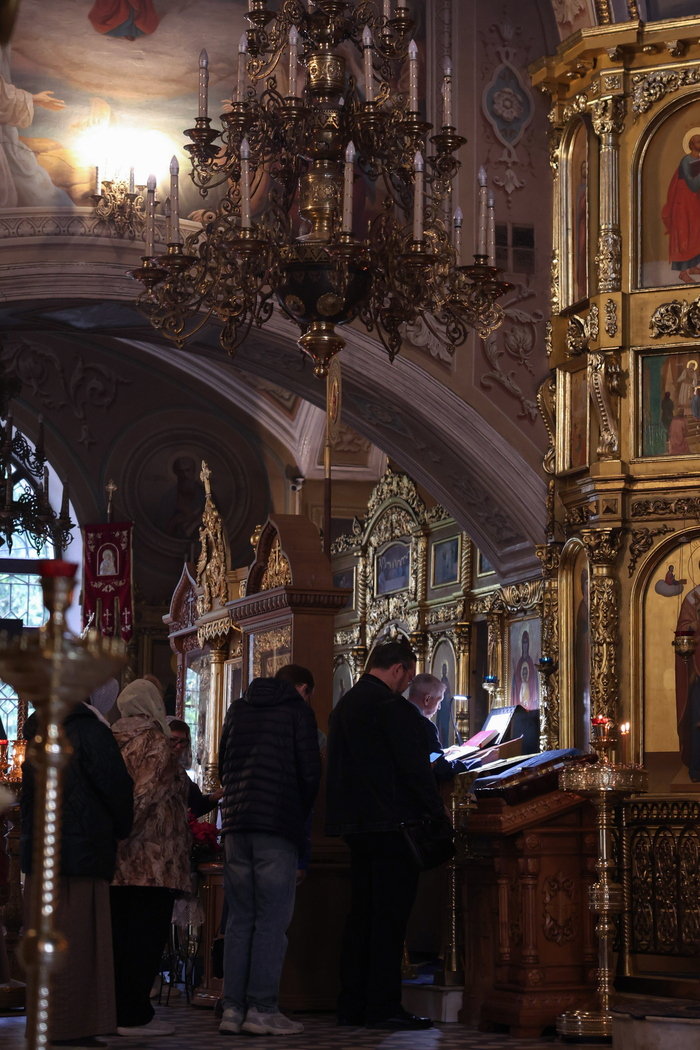
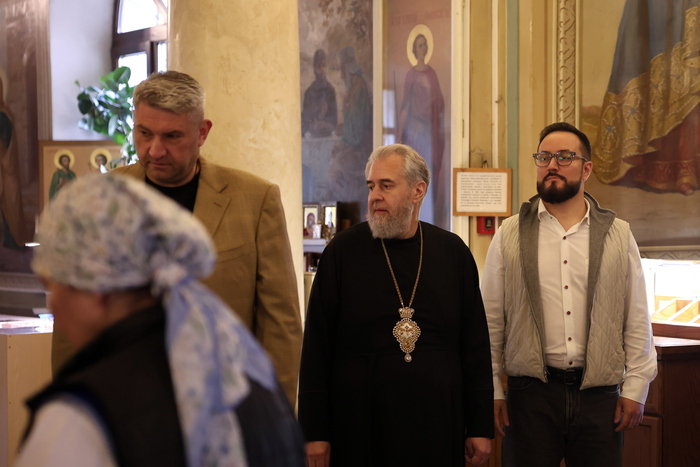
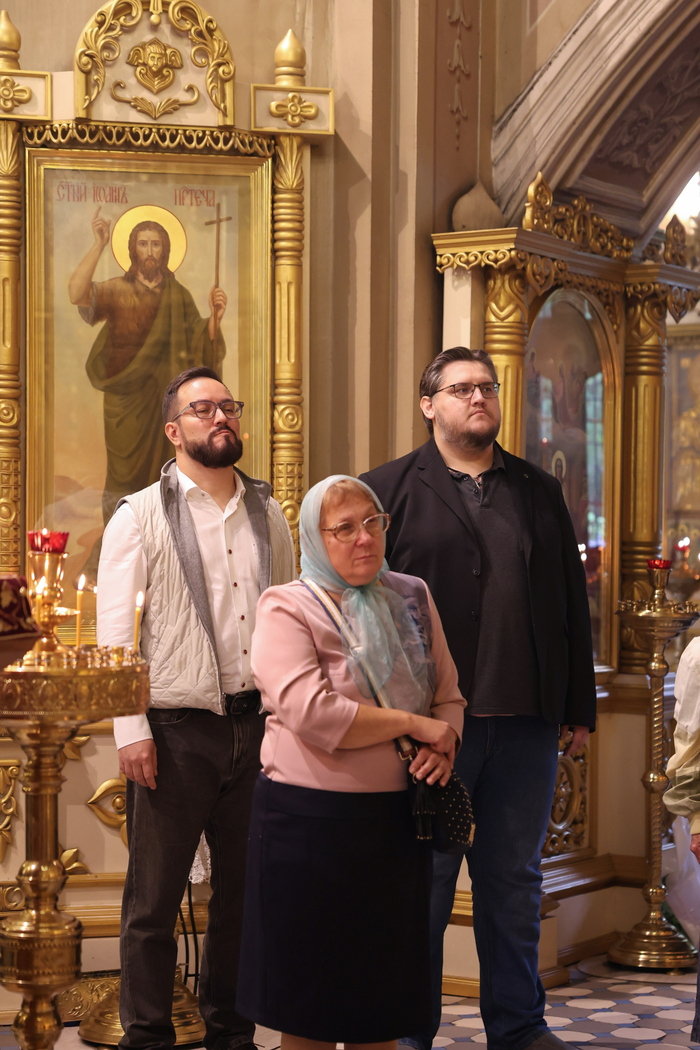
Metropolitan Alexander of Astana and Kazakhstan celebrated the festal Divine Liturgy at the Church of the Holy Martyrs Faith, Hope, Love and Their Mother Sophia at the Patriarchal Metochion in Moscow – the Representation of the Metropolitan District of the Russian Orthodox Church in the Republic of Kazakhstan.
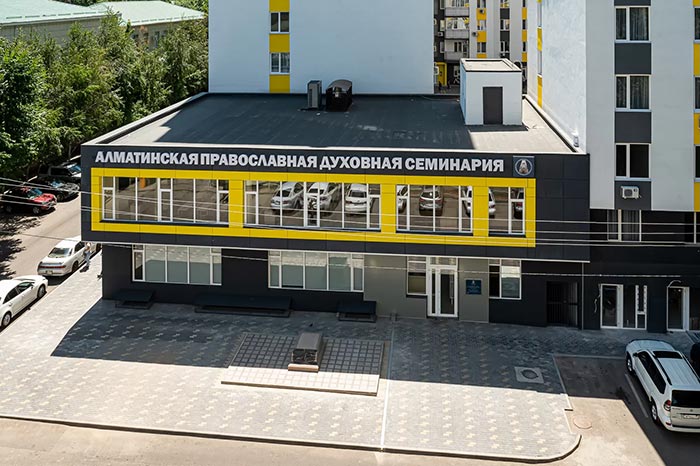
The Primate of the Orthodox Church of Kazakhstan was joined in the celebration by: Archimandrite Geronty (Borisevich); Archimandrite Sergiy (Karamyshev), Dean of the parishes of Astana; Abbot Agathangel (Gagua), Vice-Rector of the Alma-Ata Theological Seminary, Candidate of Theology, Doctor of Medical Sciences and Professor; Hieromonk Antony (Drobyazko), Dean of the Church of the Holy Martyrs Faith, Hope, Love and Their Mother Sophia; and clergy of the Metochion.
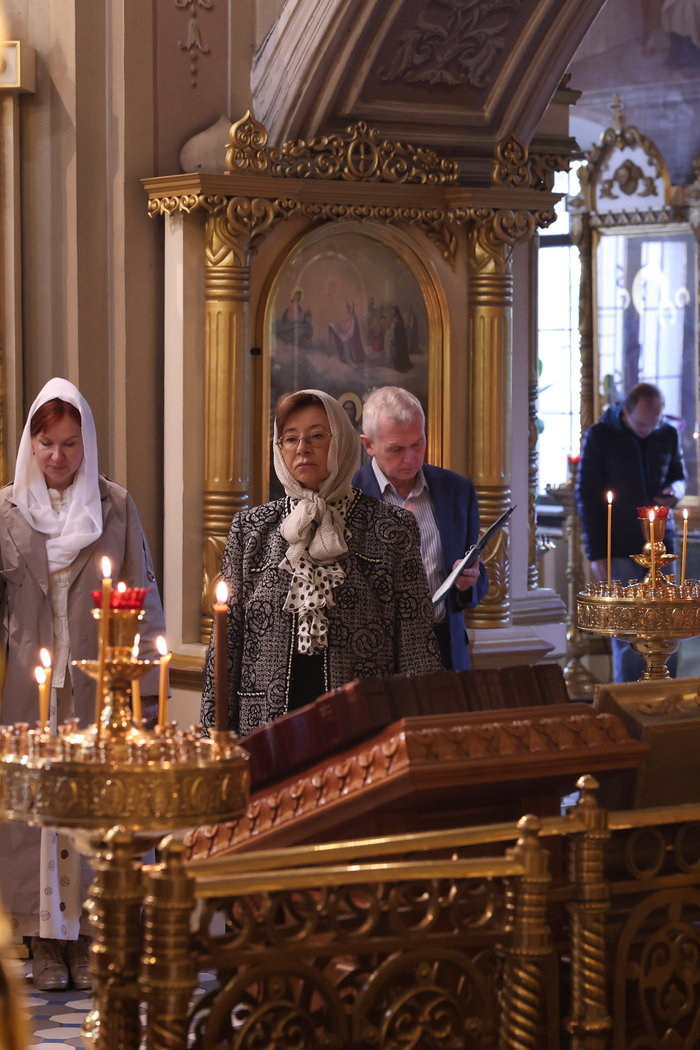
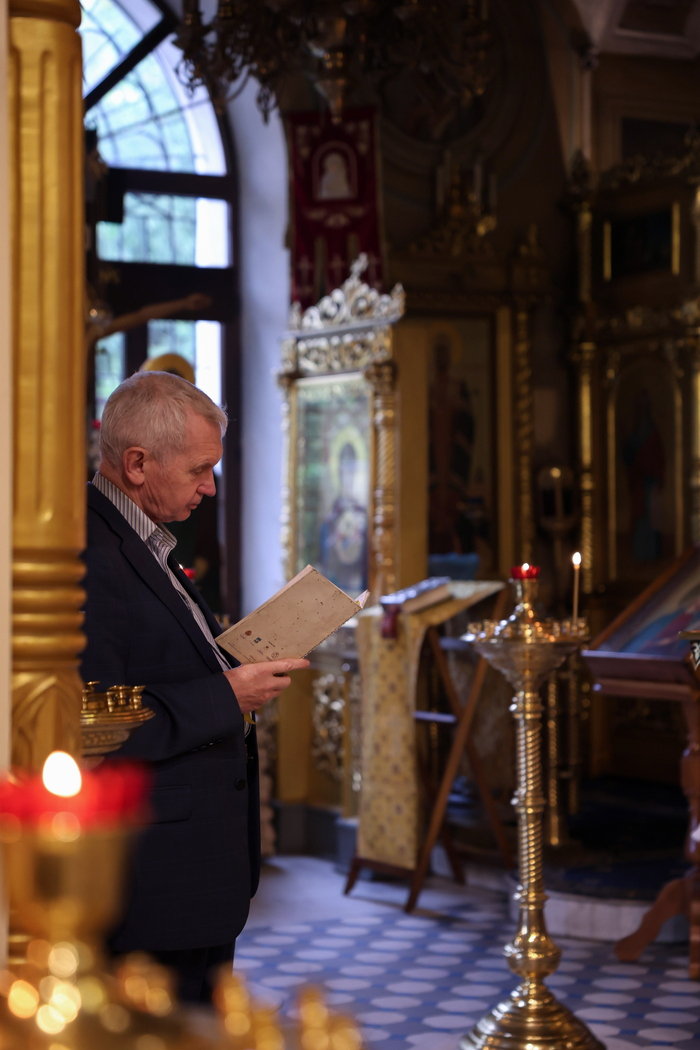
Present in prayer at the service were: O.N. Ovchinnikov, Secretary of the Kazakhstan Metropolitan District, Honored Worker of Kazakhstan and Honored Art Worker of the Russian Federation; N.V. Parshikova, Deputy Head of the Secretariat of the Deputy Prime Minister of the Russian Federation; staff members of the Representation; and parishioners of the church.
The liturgical hymns were performed by the church choir under the direction of Anna Rozhnova.
During the Liturgy, prayers were offered for the repose of Metropolitan Joseph (Chernov), confessor of the faith; Archimandrite Isaac (Vinogradov), fellow ascetic and spiritual son of Metropolitan Nicholas (Mogilevsky); and Orthodox Christians “who, during the years of fierce persecution by the godless, were tortured and slain, and who died from hunger, cold, wounds, illnesses and exhausting labor.”
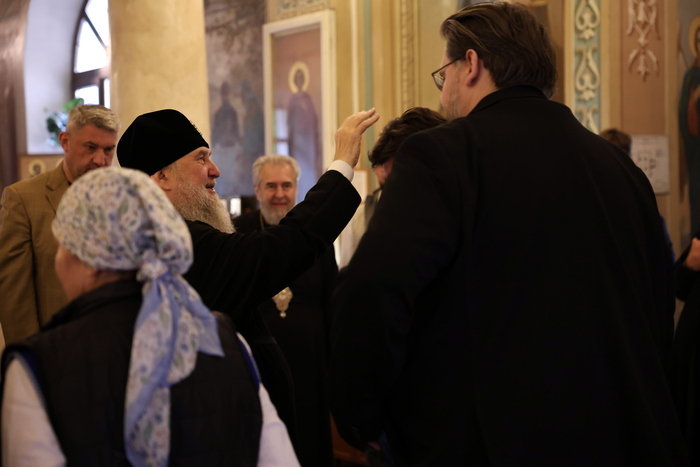
Following the dismissal, the Head of the Metropolitan District congratulated the clergy and faithful on the feast of the finding of the relics of St. Nicholas of Alma-Ata and addressed those gathered with a sermon on the ascetic life, confession of Christ’s name and apostolic labors of this outstanding twentieth-century hierarch.
More about the life, sufferings for the faith and episcopal ministry of Metropolitan Nicholas (Mogilevsky) can be learned from an article by Metropolitan Alexander of Astana and Kazakhstan, “His Confessorial Feat Teaches Us That There Is No Power in the World Capable of Overcoming the Power of God.”
“His episcopal ministry began during the tragic post-revolutionary years for the Church of Christ. Vladyka Nicholas courageously struggled against schismatics and Renovationists – ravening wolves in sheep’s clothing (Mt. 7:15) – and, sparing not his own life, resisted the godless authorities who closed and destroyed churches and monasteries, desecrated holy shrines and tormented the faithful. His labors and ascetic struggles are remembered by the Chernigov Diocese and the land of Tula, by Orel and Moscow.
“Once, addressing the Apostle Paul in prayer, St. John of Damascus said: ‘What prison did not have thee as its prisoner?’ We may address these words to St. Nicholas the Confessor as well. He suffered for Christ in the infamous Butyrka Prison and in the detention center in Voronezh, and was exhausted by backbreaking labor in the camps of Mordovia, Chuvashia and Sarov. The hierarch joyfully accepted the cup of suffering, giving thanks to God and fearing not those who kill the body but are unable to kill the soul (Mt. 10:28).
“As a ‘socially dangerous element,’ Vladyka Nicholas was exiled to the Kazakh SSR for five years. Thus, at the age of 64, began the Kazakhstan period of his confessorial struggle and archpastoral ministry. In a prison railway car, dressed in worn-out clothes and exhausted by hunger and cold, Vladyka arrived at Chelkar station – a small settlement in the Aktobe Region – where for several months he lived on alms, concealing his high ecclesiastical rank from everyone.
“Being a modest and humble man, he feared becoming a burden to any of the faithful, knowing how difficult life was for everyone during the war years. Love and compassion for people and complete devotion to the will of God guided him.
“Soon after the end of the Great Patriotic War, the Lord once again called His faithful servant to shepherd His rational flock – Vladyka Nicholas was appointed to govern the newly established Alma-Ata and Kazakhstan Diocese.
“The hierarch, exhausted by camps and exile, now faced apostolic labors and countless difficulties – the small number and deplorable condition of churches, an acute shortage of clergy, the poverty of the population, and countless repressed and displaced people in need of support and consolation. In their archpastor, the faithful, who had suffered greatly from godless persecution, war and repression, found a loving father, a caring pastor and a wise teacher.
“Ardent zeal for Orthodoxy, unwavering firmness in the faith, fervent love for one’s neighbors, a spirit of meekness and wise forbearance toward those who had sinned, and pastoral perseverance demanding a truly Christian life from all – these qualities permeated the entire ministry of the great hierarch of Kazakhstan. In the life of Vladyka Nicholas, the words of St. John Chrysostom were fulfilled in their entirety: ‘A good shepherd and bishop at all times struggles no less than a thousand martyrs.’
“The Lord has granted us the opportunity to partake of the spiritual legacy of St. Nicholas the Confessor, preserved in his life, sermons, recollections and letters. For our edification, the hierarch left us his book The Mystery of the Human Soul, in which he expounded the patristic teaching on the passions and the ways of struggling against them. One chapter contains these profound words: ‘A person can live only when he enters into living communion with his God, Who is the true self-existent Life and the fullness of all blessings.’
“Having himself received this grace-filled Life into his heart and attained union with Christ, the archpastor gave and continues to give the joy of the Gospel to people.
“On the feast day of Metropolitan Nicholas, let us turn to him in prayer, asking that, according to our strength, we may imitate his steadfastness in faith and piety and, together with him, have the boldness to proclaim the great apostolic confession: ‘Who shall separate us from the love of God? Neither death, nor life, nor angels, nor principalities, nor powers, nor things present, nor things to come, nor height, nor depth, nor any other creature shall be able to separate us from the love of God, which is in Christ Jesus our Lord’ (Rom. 8:35, 38–39).”
From an address by Metropolitan Alexander in memory of St. Nicholas the Confessor.




 Main
Main


Login or register, to write a comment!
Your comment has been successfully added and is currently being reviewed by the site administration