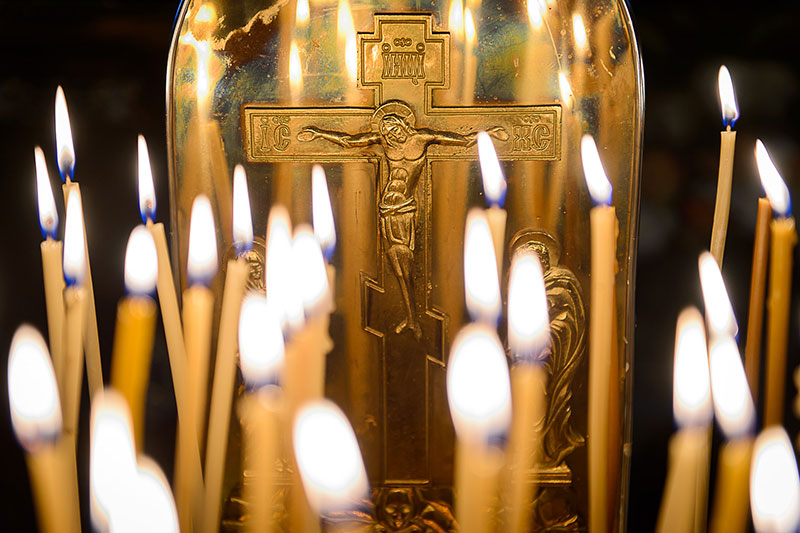
14 February 2026 – Universal Saturday of the Departed (Meatfare).
Dedicating the final preparatory week before Great Lent to the remembrance of the Last and Dread Judgment of Christ, the Holy Church has established that on this Saturday intercession be made for all “who from the ages have departed, having lived in piety, of every race, rank and condition,” and especially for those who died a sudden death. The Synaxarion (the appointed homily) for the Meatfare Saturday of the Departed states: “The holy fathers, moved by love for mankind, established, on the basis of the apostolic teaching, this common, universal commemoration, so that no one – whenever, wherever, or however he may have completed his earthly life – should be deprived of the prayers of the Church.”
Metropolitan Alexander of Astana and Kazakhstan performed the prescribed commemoration of the departed.
At the Church of the Holy Martyrs Faith, Hope, Love and Sophia at the Patriarchal Metochion of the city of Moscow – the Representation of the Kazakhstan Metropolitan District – the Divine Liturgy was celebrated, at the conclusion of which a memorial service (panikhida) was served for all “Orthodox Christians who from the ages and unto this day have departed.”
At the memorial service, all “Orthodox Christians who from the ages and unto this day have departed” were commemorated; special prayers were offered for the late rector of St. Sophia Church, Archpriest Boris Prisyazhnyuk, through whose labors the parish was revived; for the ever-memorable builders and benefactors of the church; for the departed hierarchs and clergy of Kazakhstan; for those buried at the Miusskoye Cemetery of the capital, among whom was A.F. Vedernikov, People’s Artist of the USSR – the “Golden Bass of Russia”; for all who in the years of godless persecutions were innocently tortured and slain, who died from hunger, cold, wounds, illnesses and hard labor; and for leaders and soldiers who laid down their lives on the field of battle for faith and Fatherland.
“The Church possesses great power, an extraordinary authority granted to her by God, to change the fate of her departed children. We bring to the church slips bearing the names dear to our hearts, we pray fervently for the remission of the voluntary and involuntary sins of ‘our kinsmen and neighbors who lived and departed before us,’ we offer prosphora, from which at the very beginning of the Liturgy, during the Proskomedia at the holy table of oblation, particles are taken out. And during the Divine Service there comes a very important, spiritually significant moment – all these particles are immersed into the chalice with the Most Pure and Life-giving Blood of our Lord Jesus Christ. At that time the prayer is pronounced: ‘Wash away, O Lord, the sins of all here commemorated by Thy Precious Blood, through the prayers of Thy saints.’ Concerning this sacred act, St. John Chrysostom bears witness: ‘The holy apostles did not establish in vain the custom of commemorating our departed in the Lord during the Mystery of the Holy Eucharist. The holy apostles instituted this because they knew that these prayers bring much benefit and great profit to the departed.’ Our kinsmen, relatives and acquaintances whose names are written in the memorial lists receive grace, sanctification and the remission of sins from the bloodless Sacrifice offered upon the Holy Table. The righteous to whom, by special Divine providence, the mysteries of the afterlife were revealed testify that the souls of the departed are granted the greatest consolation and inexpressible joy when the prayer of the Church is poured out for them and the Bloodless Sacrifice of the Holy Eucharist is offered.” From the sermon of Metropolitan Alexander.
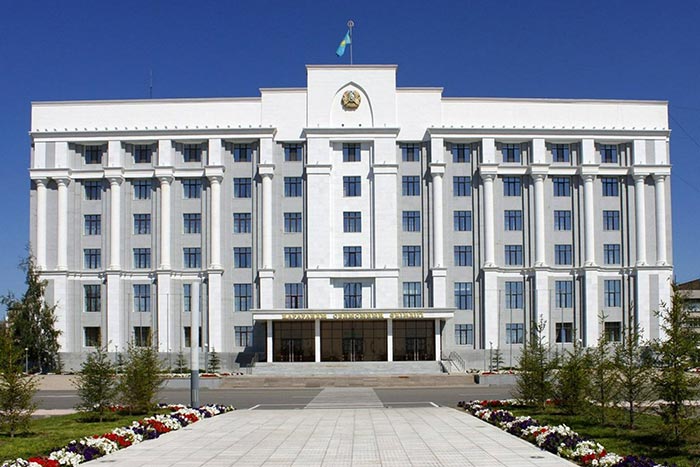
Participants in the Celebrations Marking the Bringing of the Relics of St. Spyridon to Kazakhstan Met with Karaganda Region Akim Y.K. Bulekpayev
More details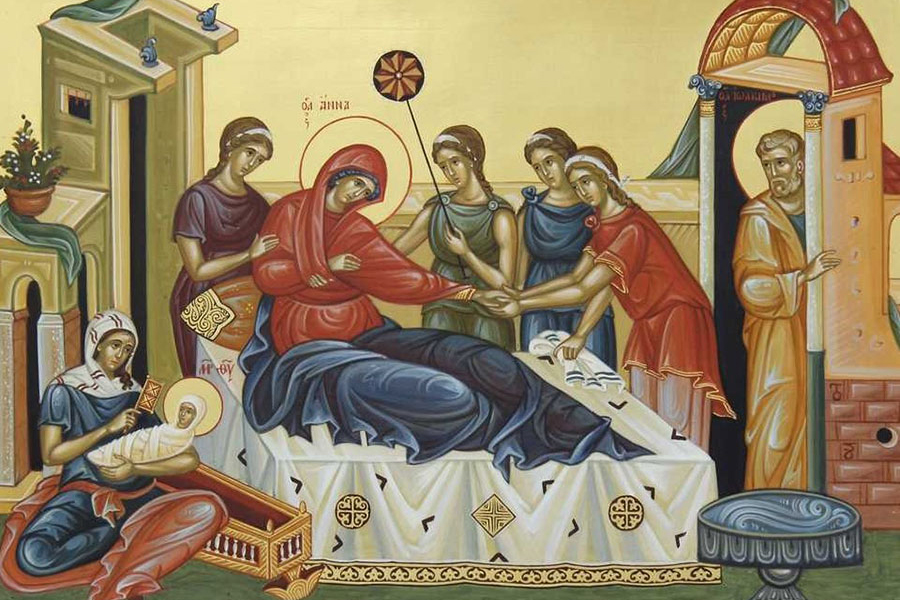
Metropolitan Alexander Celebrates the Liturgy at the Holy Trinity–St. Sebastian Cathedral in Karaganda on the Feast of the Nativity of the Most Holy Theotokos
More details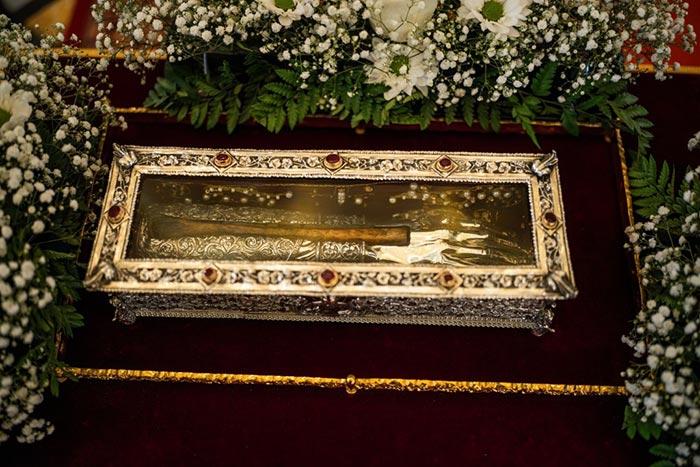
Kazakhstan Welcomes a Great Orthodox Shrine – the Incorrupt Right Hand of St. Spyridon of Trimythous
More details



 Main
Main


Login or register, to write a comment!
Your comment has been successfully added and is currently being reviewed by the site administration